

High-Antistatic 3D Filaments
QS's anti-static 3D printing filaments have a resistivity of 10⁴-106 Ω·cm and excellent anti-static performance. They are widely used in fields such as electronic assembly, bio-pharmaceuticals, and medical testing.
High-Temperature-Resistant Filaments
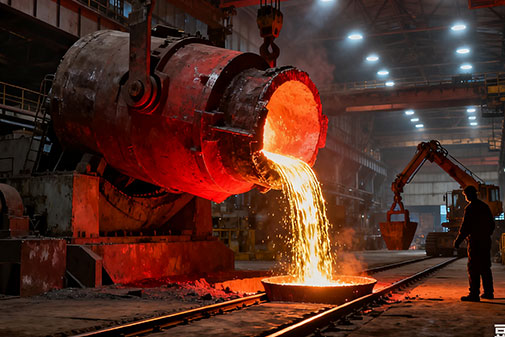
The 3D high-temperature-resistant filaments developed and produced using crystalline polymers exhibit excellent strength and modulus even under high-temperature conditions.

Low-Temperature-Resistant 3D Filaments
The low-temperature-resistant special 3D printing filaments, specifically developed for extreme low-temperature environments (typically below -40°C)
Magnetic 3D Filaments
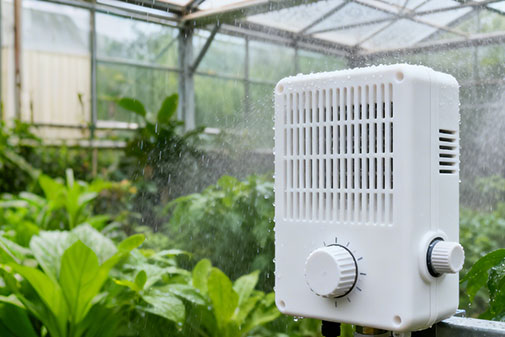
Magnetic 3D filaments are made by embedding magnetic powder in PLA materials. They possess stable magnetic properties and do not shrink when cooled. They are widely used in the production of sensors and other related products

Flame-Retardant 3D Filaments
The special flame-retardant 3D printing filaments are made by adding graphene composite flame retardants and flame-retardant polymers to polymeric materials.

UV-Resistant & Aging-Resistant 3D Filaments
QS's independently developed UV-resistant and aging-resistant filaments achieve an advanced performance level through composite modification.

Corrosion-Resistant 3D Filaments
The 3D printing filaments produced using composite raw materials such as graphene and PPS can meet different corrosion resistance levels and form a penetration barrier when in contact
Graphene High-Strength & Toughened 3D Filaments
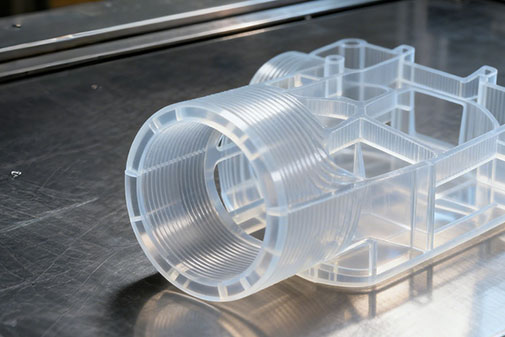
The 3D printing filaments mainly made of PC materials exhibit excellent toughness, Printing parameters, and high impact resistance, and can maintain stable performance even in high-temperature environments. Meanwhile, they have lower shrinkage rate, better dimensional stability

Food-Grade Raw Material (FDA-Certified) 3D Filaments
These filaments are made of food-grade polymer materials approved by the U.S. FDA, ensuring food safety. They are used for printing various food containers and kitchen utensils.
Carbon-Sequestering 3D Filaments
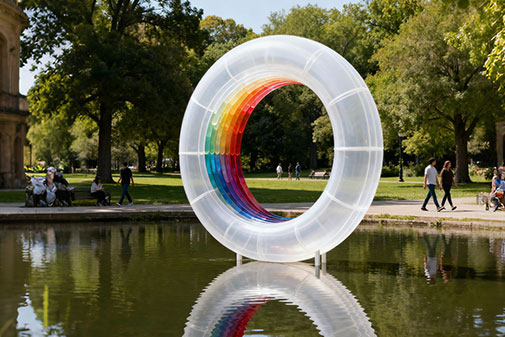
Graphene carbon-sequestering filaments are innovative products developed through the cross-integration of graphene environmental protection new materials and additive manufacturing technology. They can permanently solidify carbon dioxide into 3D printed products through chemical reactions and possess

High-Elasticity & Flexible 3D Filaments
The flexible filaments for high-elasticity products are made by modifying thermoplastic elastomer materials. They are widely used in the production of children's toys, fashion shoes, soft furniture, shock-absorbing products, sealing rings, and other products.
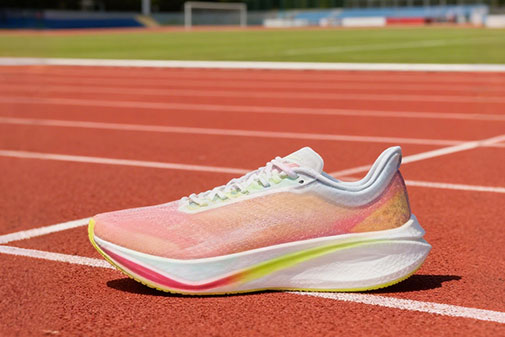
High-Foaming 3D Filaments
QS's high-foaming 3D printing filaments adopt an intelligent physical foaming mechanism. During the printing process, foam cells are generated due to pressure release and heat induction. These filaments are widely used in the integrated manufacturing of lightweight structures and functions, such as sports shoes, sports protective gear, props, models, and other products. High-Foaming 3D Filaments
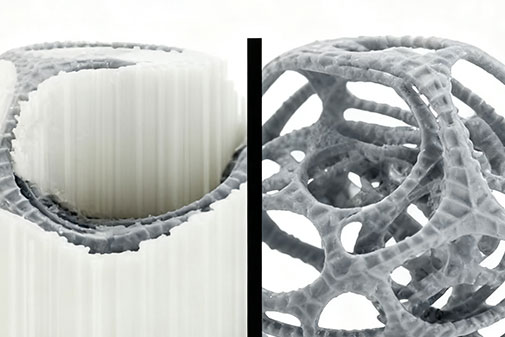
Water-Soluble 3D Filaments
The non-toxic 3D printing filaments made from biodegradable materials can be used to print bridging supports and intricate detailed parts in complex 3D products without leaving any traces. After printing is completed, these filaments can be easily and cleanly removed by washing with water.
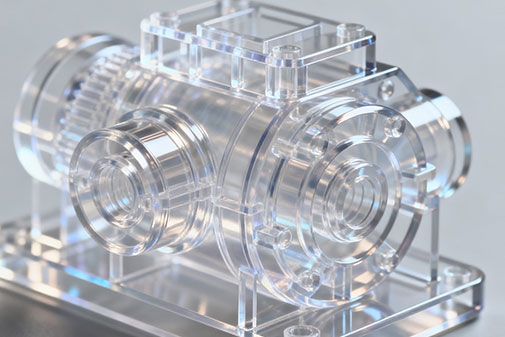
Transparency 3D Filaments
The transparency filaments can achieve light transmission effect. They are widely used in customized artworks, optical prototypes and casings, experimental components, and other fields.

Fluorescent 3D Filaments
The fluorescent filaments developed and produced by QS are made by incorporating composite fluorescent pigments into 3D filaments. These pigments can convert light into visible light with longer wavelength and lower energy for emission. The fluorescent filaments are widely used in fields such as artistic creation and decorations, safety warnings and signs, clothing and props.

Luminous 3D Filaments
The 3D luminous functional filaments are made by compounding functional luminous materials with PLA. They have self-luminous properties. By improving the dispersion and light stability of the luminous materials, the luminous duration is extended. These filaments are widely used in toys, home appliance casings, and other fields.

Metal-Texture 3D Filaments
QS uses a special process to give 3D filaments a metallic appearance. Although they are not pure metal, their visual effect is close to that of real metal, while retaining the easy-printing characteristics of plastics. These filaments are widely used in home decorations, practical tools, personalized accessories, electronic device casings, molds and props, and other fields.
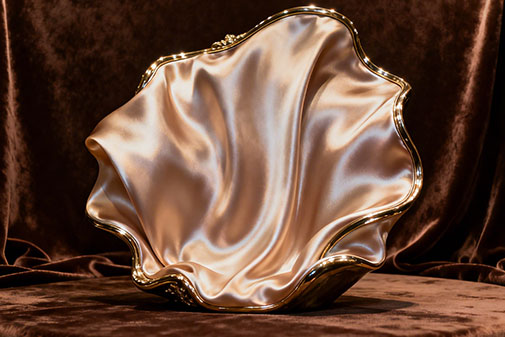
Silk-Texture 3D Filaments
Through innovative formulas and post-processing technologies, the 3D printed products made from these filaments present a smooth and flexible silk-like effect. They are widely used in the fashion and wearable industry, home aesthetics, cultural and creative products, and other fields.
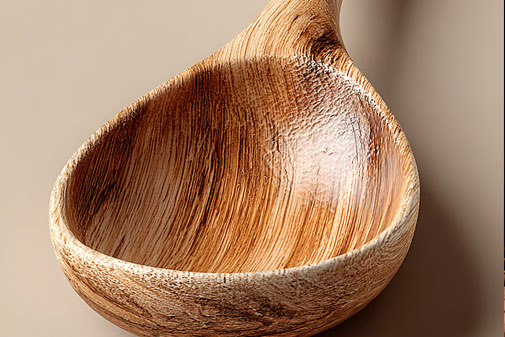
Wood-Textured 3D Filaments
The 3D printing filaments are made by mixing modified wood fibers or wood powder into base materials such as PLA and PETG. They not only retain the convenience of 3D printing but also present realistic wood texture and touch. These filaments are widely used in home decorations, furniture accessories, kitchen utensils, toys and models, personalized gifts, and other fields.
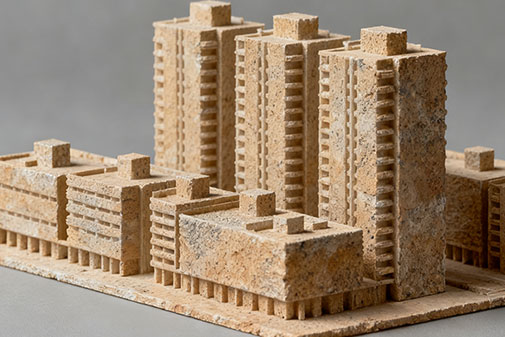
Sand-Textured 3D Filaments
The 3D printing filaments made from PLA materials modified with a type of composite sand powder enable the printed products to exhibit stone-like colors and textures. Additionally, the surface characteristics can be adjusted by modifying the extrusion temperature of the 3D printer during the printing process. These filaments are widely used in printing landscape and architectural display models, outdoor park facilities, and other related items.